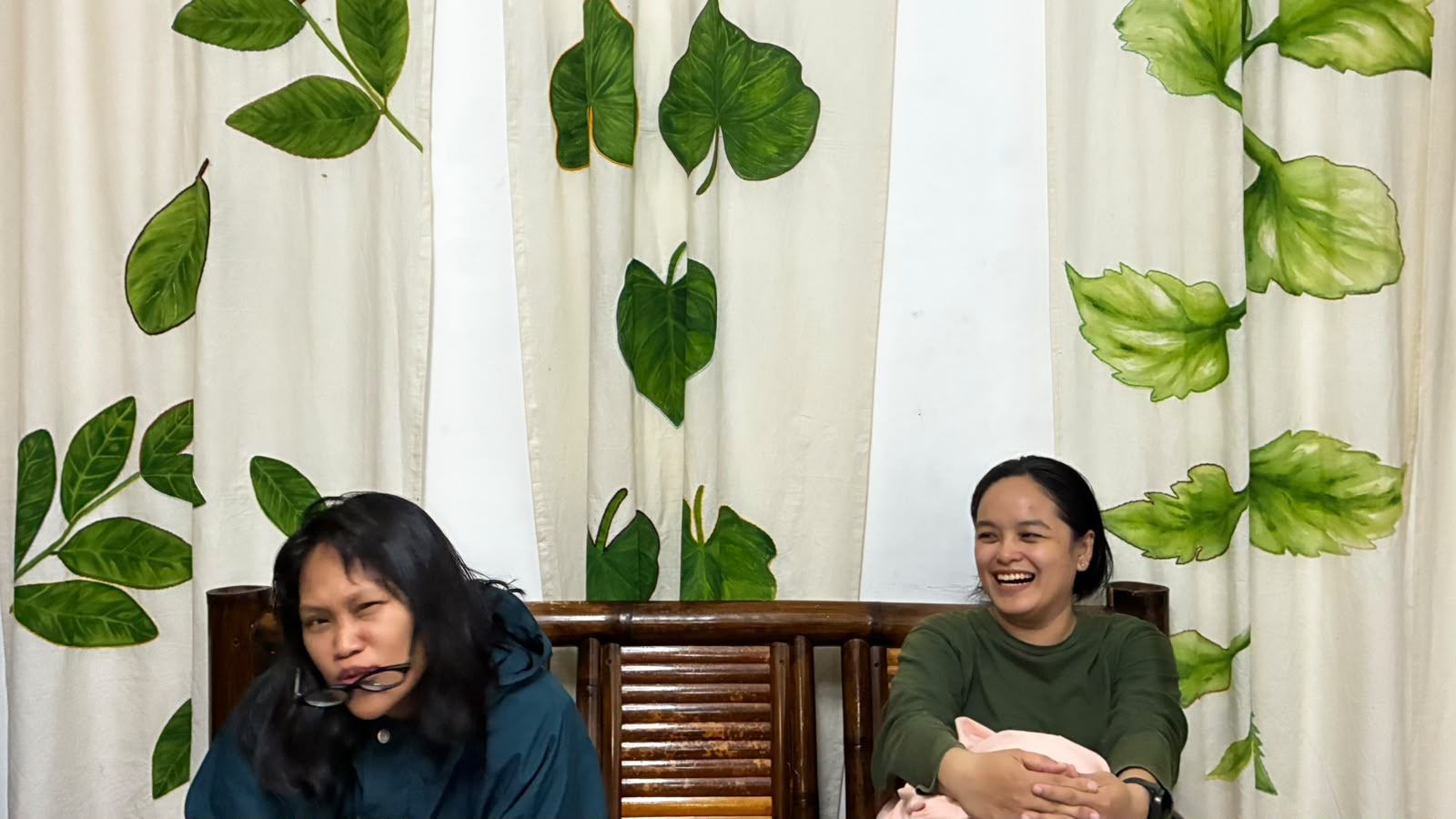
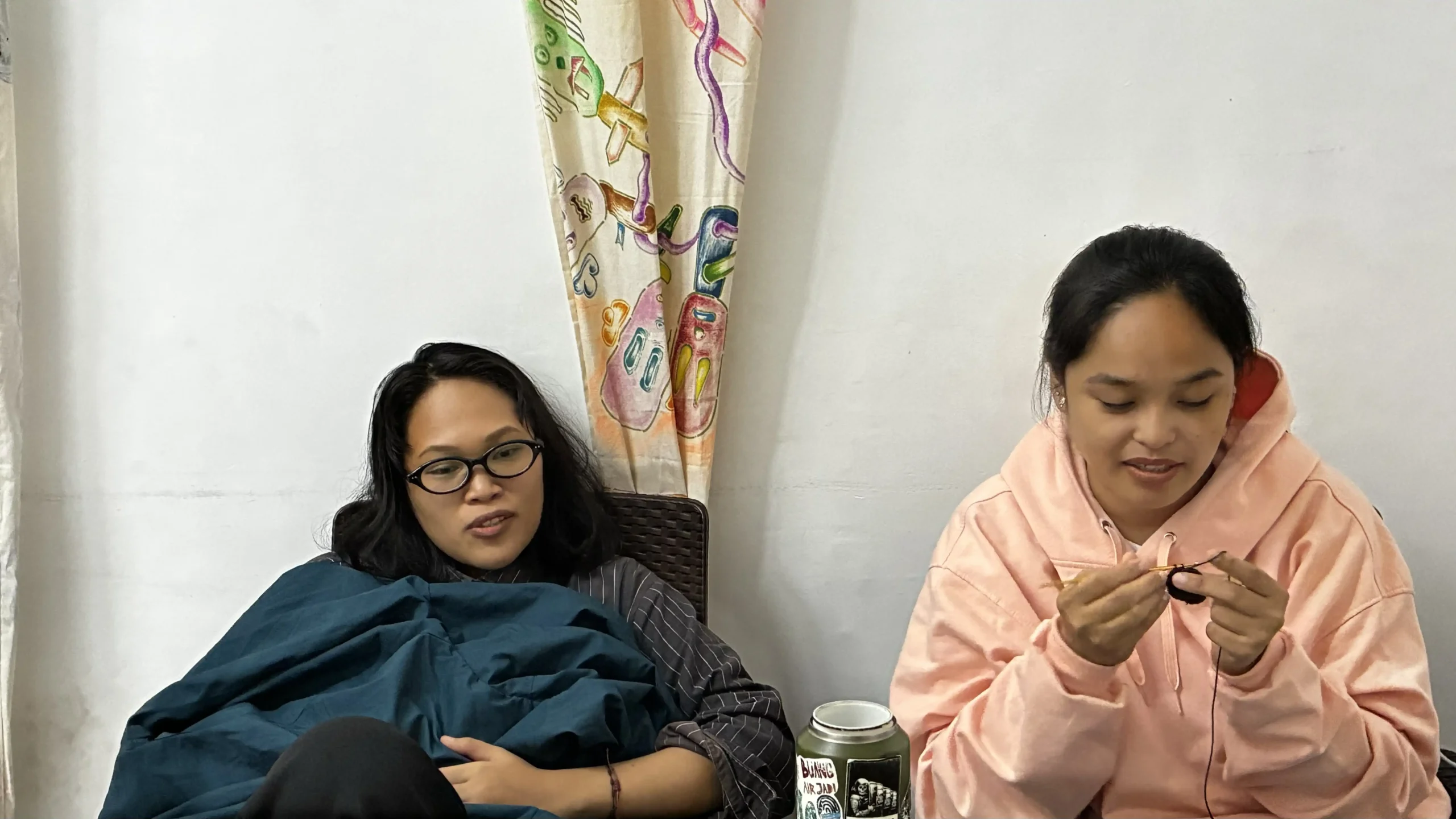
A duo formed in 2026. Rumpu, means “smoke” in the Bugis language. The term is used here as a point of departure, evoking the presence of smoke as both a material and an intangible trace within Bugis cultural memory. In traditional Bugis healing practices, smoke produced from burning herbal and wood-based medicines—such as benzoin (kemenyan)—has long been part of therapeutic, spiritual, and ritual practices. The rising smoke is not merely a by-product of burning; it can function as a medium through which medicinal substances, scents, and ritual intentions are carried and experienced. For many, the scent and presence of smoke remain familiar traces of inherited practices, connecting the present to memories of healing, ceremony, and communal life. Although these traditions have evolved alongside contemporary life, the use of smoke in traditional and ritual contexts continues to be practiced today. By invoking Rumpu, the work reflects on smoke as a carrier of memory: something ephemeral yet deeply persistent, disappearing into the air while leaving behind an imprint in the senses and in collective experience. It becomes a metaphor for cultural knowledge that is transmitted not only through words or written histories, but also through bodily experience, scent, ritual, and remembrance. Individually, Nurul Muthmainnah has worked with oral stories and community knowledge in Central Sulawesi, particularly stories connected to earthquakes, tsunamis, and liquefaction. Her research asks how oral narratives can function as repositories of disaster memory, ecological knowledge, survival strategies, and collective experience. Part of this work has also questioned how oral stories are defined, documented, and positioned within systems of knowledge and writing. Then, Candu Hikmah’s artistic practice works primarily through drawing, knitting, and fabric based artworks, exploring forms and patterns connected to sosial and politic life as well as the history and cultural knowledge of West and South Sulawesi. Through different media, these practices share an interest in how knowledge becomes embedded in everyday materials, and acts of making.